

Sprint Hero focuses on running action, quick reactions, and obstacle navigation across different stages. Many players access this title through 567JL because of its simple controls and dynamic arcade structure. The game centers on movement timing, score progression, and continuous challenges throughout every session.
Understanding Sprint Hero gameplay and running mechanics
Many participants notice that Sprint Hero follows a fast arcade format where movement timing plays an important role. The character advances through different paths while avoiding obstacles appearing throughout each stage. This structure creates an engaging environment that rewards attention and quick responses.
The game combines straightforward controls with increasingly active gameplay situations. Players can understand the mechanics quickly because actions remain easy to perform. These qualities make the title accessible for both newcomers and experienced members.
At 567JL, the game receives attention because its structure remains simple while maintaining competitive elements. Returning participants often appreciate the balance between speed and control. The overall format supports enjoyable gameplay across short or extended sessions.
Core features shaping every arcade session
Many participants enjoy arcade titles that combine simple controls with changing challenges. Different systems work together to create a dynamic experience across every stage.
Running path design
The movement system within Sprint Hero focuses on guiding a character through changing environments. Different sections introduce obstacles that require accurate timing and awareness. This structure keeps players actively involved throughout gameplay.
Paths often include varying layouts that influence movement decisions during each run. Because route patterns change regularly, participants encounter different situations frequently. This variation supports replay value.
The running design remains accessible despite increasing activity across later stages. Members can adapt gradually as challenges become more demanding. This balance helps maintain engagement.
Obstacle interaction system
Obstacles appear throughout gameplay and require quick reactions from participants. These elements contribute significantly to the pace of each session. Players must remain attentive while progressing through different areas.
Different obstacle types create distinct movement requirements during active gameplay. Some situations emphasize timing, while others focus on positioning. These variations increase diversity across stages.
The system remains easy to understand despite introducing multiple challenge types. Participants can learn obstacle behavior through regular gameplay. This accessibility supports broader appeal.
Score progression mechanics in Sprint Hero
The scoring structure encourages members to continue advancing through gameplay stages. Different actions contribute to overall results during each completed run. This system creates clear objectives throughout sessions.
Performance improvements often lead to higher scores across repeated attempts. Players frequently compare results while seeking better outcomes. These comparisons support ongoing participation.
The progression model remains straightforward for newcomers. Participants can understand how scores develop without unnecessary complexity. This clarity improves the overall experience.
Visual presentation quality
The appearance of Sprint Hero combines colorful environments with organized interface elements. Important information remains visible during active gameplay periods. This arrangement supports comfortable interaction.
View more: Dash Adventure – Complete Guide To Fast Moving Game Action
Animations accompany movement sequences while maintaining smooth transitions between actions. These effects create energy without distracting participants from objectives. Members often appreciate this balance.
Navigation controls remain simple throughout different sections of the game. Players can access settings quickly before returning to gameplay. This convenience contributes to accessibility.
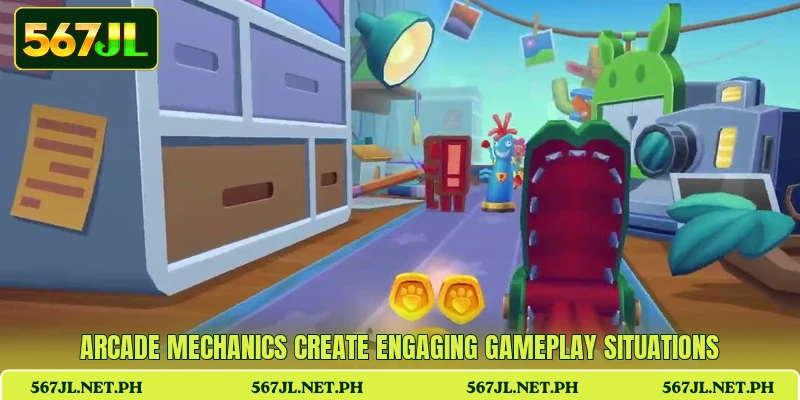
Factors behind continued player interest
Many players continue returning because the game balances simplicity with active gameplay. Different mechanics combine to create changing experiences across multiple sessions.
Fast paced structure
Many players choose Sprint Hero because the gameplay maintains a fast and active rhythm from start to finish. The running-based format encourages constant engagement, with little downtime between actions. This continuous pace appeals to participants who enjoy energetic and responsive gameplay experiences where attention is always required.
Each stage introduces new situations that require players to stay alert and react quickly. Although the environments and conditions change throughout the game, the overall structure remains consistent. This combination of familiar flow and shifting moments helps maintain stability while still keeping the experience dynamic.
Returning players often value this sense of momentum, as it keeps sessions engaging without unnecessary pauses or interruptions. The steady pace helps sustain interest and makes each run feel active and involved from beginning to end.
Varied stage challenges
Sprint Hero features a wide range of stage layouts that introduce different gameplay conditions across sessions. These variations help ensure that players do not experience the same patterns repeatedly, even when playing multiple times. This diversity in design is a key factor in maintaining long-term engagement.
Obstacle placement plays an important role in shaping each run. Since layouts change from stage to stage, players must adjust their movement and timing accordingly. This creates fresh situations that keep gameplay interesting and encourage adaptability.
Despite the variety of challenges, the game remains easy to understand. The core mechanics are consistent, allowing players to naturally adjust through repeated participation. This balance between familiarity and variation makes the experience accessible to a broad audience.
Accessible control layout
The control system in Sprint Hero is designed to be simple and intuitive for all players. Basic actions can be performed easily without complex inputs or complicated combinations. This straightforward design allows participants to focus more on gameplay rather than learning controls.
Instructions are clear and easy to follow throughout different stages. Players can quickly understand how to interact with the game without needing extensive explanation. This simplicity helps create a smoother learning curve, especially for new participants.
Visual consistency between controls and gameplay elements also enhances responsiveness. Because the layout is clear and predictable, players can react quickly during active moments. This contributes to a more fluid and engaging gameplay experience overall.
Long term replay appeal
Sprint Hero continues attracting attention because sessions rarely produce identical gameplay situations. Different obstacle patterns and stage arrangements create changing experiences over time. These variations support ongoing engagement.
Players often compare results from separate runs while aiming for stronger performances. No two sessions feel completely identical because challenges evolve naturally. This unpredictability encourages repeated participation.
The title combines recognizable arcade mechanics with enough variety to remain interesting. Members can return regularly without encountering repetitive gameplay structures. This balance strengthens long-term appeal.

View more Category: Arcade
Conclusion
Sprint Hero remains a recognizable arcade title because of its running mechanics, obstacle-based gameplay, and structured progression system. Many members of 567JL appreciate the balance between simple controls and changing stage challenges. It continues attracting players who enjoy fast arcade experiences supported by accessible gameplay features.